Understanding the Function of Emulsifiers in Food and Cosmetic Products
Emulsifiers are essential ingredients in both food and cosmetic solutions. They offer to stabilize mixes that would certainly or else divide, such as oil and water. Understanding how these substances feature can brighten their relevance in everyday products. The various kinds of emulsifiers each deal special advantages, influencing texture and application. As consumers become much more knowledgeable about component features, the function of emulsifiers warrants more detailed exam. What exists behind their performance and versatility?
What Are Emulsifiers?
Emulsifiers are substances that facilitate the mixing of two immiscible liquids, such as oil and water. These compounds play a crucial role in food and cosmetic products by stabilizing emulsions, which are mixtures that would certainly or else divide. Emulsifiers have both hydrophilic (water-attracting) and hydrophobic (water-repelling) buildings, permitting them to lower surface area tension between both fluids. Usual instances of emulsifiers consist of lecithin, discovered in egg yolks and soy, and mono- and diglycerides stemmed from fats.
In food applications, emulsifiers improve appearance and life span, enabling products like mayonnaise and salad dressings to maintain a regular look. In cosmetics, they ensure that creams and creams remain consistent and reliable. By enabling the mix of diverse ingredients, emulsifiers add substantially to the performance and appeal of various items across multiple sectors.
Just How Emulsifiers Job
When 2 immiscible liquids, such as oil and water, are incorporated, they often tend to separate unless an emulsifier is presented. Emulsifiers possess unique molecular frameworks that consist of both hydrophilic (water-attracting) and hydrophobic (water-repelling) components. This twin nature enables them to interact with both kinds of liquids, lowering surface stress at the interface. As the emulsifier particles align themselves at the boundary of the oil and water, they produce a barrier that maintains the mix.
Kinds of Emulsifiers
Different kinds of emulsifiers are used in the food and cosmetics sectors, each serving details functions based upon their chemical residential or commercial properties. Emulsifiers can be identified into 3 main classifications: all-natural, synthetic, and semi-synthetic. All-natural emulsifiers, such as lecithin and casein, are originated from plant or animal resources and are frequently preferred for their safety and security and compatibility with human usage. Artificial emulsifiers, like polysorbates and sorbitan esters, are chemically engineered for particular security and performance qualities, supplying flexibility in formula. Semi-synthetic emulsifiers, which consist of modified starches, integrate synthetic and natural components to enhance performance while maintaining some all-natural residential or commercial properties. Furthermore, emulsifiers can be anionic, cationic, or nonionic, relying on their charge in service, affecting their communication with various other active ingredients. Understanding these types aids formulators in selecting the ideal emulsifier for preferred stability, shelf, and structure life in both food and cosmetic applications.
Emulsifiers in Food Products

Sorts Of Food Emulsifiers
Food emulsifiers play an important function in maintaining mixtures that would otherwise separate, such as oil and water. There are a number of kinds of food emulsifiers, each offering details objectives in various culinary applications. Lecithin, derived from soybeans or eggs, is a typical all-natural emulsifier discovered in items like mayo and delicious chocolate. Mono- and diglycerides, originated from fats, are widely used in baked goods and margarine for their emulsifying homes. Other emulsifiers, such as sodium stearoyl lactylate and polysorbates, are synthetic and typically utilized in processed foods. Each kind of emulsifier varies in its effectiveness, stability, and compatibility with different ingredients, making it vital for food manufacturers to select the appropriate emulsifier for their details solutions and wanted appearance.
Features in Food Products
While lots of components add to the texture and security of cooking items, emulsifiers are especially vital in achieving a consistent and smooth consistency. They help with the blending of immiscible liquids, such as oil and water, protecting against splitting up and improving product stability. Emulsifiers boost mouthfeel and look, adding to the total sensory experience of food. In items like mayonnaise, salad dressings, and sauces, they help keep the preferred viscosity and protect against splitting up during storage space. Furthermore, emulsifiers can extend life span by lowering the possibility of spoilage via oxidation. Their function is important in baked items, where they enhance dough handling and texture. On the whole, the efficient use emulsifiers substantially improves the quality and allure of various food items.
Health And Wellness Worries
Emulsifiers play a substantial role in improving the texture and stability of numerous food products, problems regarding their health ramifications have arised. Some studies recommend that particular emulsifiers might interfere with digestive tract microbiota, possibly causing metabolic disorders and swelling. Polysorbate 80 and carrageenan pop over to this web-site have actually been inspected for their prospective web links to digestion problems. Furthermore, the long-term impacts of taking in emulsifiers continue to be mainly unidentified, prompting phone calls for even more rigorous research. Governing firms usually review emulsifiers for safety; nevertheless, customer recognition bordering ingredients has actually increased, leading to a demand for transparency in food labeling. Because of this, numerous individuals are choosing for items cost-free from fabricated emulsifiers, stressing the need for equilibrium in between food modern technology and wellness factors to consider
Emulsifiers in Aesthetic Products
Emulsifiers play a necessary function in cosmetic formulations by boosting structure and stability. Their ability to mix oil and water stages not only boosts item performance but additionally uses various skin advantages. Comprehending the security and regulatory landscape bordering these components is important for both producers and consumers.
Capability in Formulations
In the domain name of cosmetic formulations, emulsifiers play a necessary function in guaranteeing security and performance. They facilitate the mixing of oil and water phases, producing a homogeneous item that maintains its appearance and appearance with time. This performance is vital in products, creams, and creams, where the desired consistency relies upon reliable emulsification. In addition, emulsifiers add to the sensory attributes of products, boosting spreadability and feel on the skin. They likewise protect against separation, making sure that energetic ingredients stay equally dispersed throughout the formulation. By supporting solutions, these representatives extend shelf life and enhance customer experience, making them essential in the cosmetic market. Their diverse structures allow formulators to tailor items to details needs and preferences.
Skin Benefits Described
When taking into consideration the formulation of cosmetic products, the addition of emulsifiers markedly enhances skin benefits. emulsifiers. These agents assist in the blending of oil and water, developing secure solutions that boost item texture and application. Emulsifiers help to deliver active ingredients much more efficiently, making sure that beneficial substances permeate the skin barrier. This leads to enhanced hydration, as emulsifiers can develop a protective layer that locks in wetness. Furthermore, they typically have skin-conditioning properties, which can soothe and soften the skin. By maintaining solutions, emulsifiers add to longer service life and constant performance, ultimately enhancing the total customer experience. Their function in cosmetics is necessary for accomplishing preferred useful and visual results
Safety and Regulations
The unification of emulsifiers in aesthetic formulas not only enhances item effectiveness but also elevates crucial considerations regarding safety and security and regulative compliance. Regulative bodies, such as the FDA and the EU's cosmetic policies, impose strict standards to guarantee the safety of emulsifiers utilized in cosmetics. These policies require thorough safety and security evaluations, concentrating on possible skin inflammation, poisoning, and allergenic buildings. Makers are in charge of seeing to it that emulsifiers are sourced from authorized lists and are utilized within safe concentrations. Furthermore, openness in labeling is vital, enabling consumers to make educated selections. Continued research study and monitoring of emulsifier security warranty that cosmetic items continue to be effective while securing consumer health and wellness. Conformity with these regulations is necessary for keeping public count on in aesthetic items.
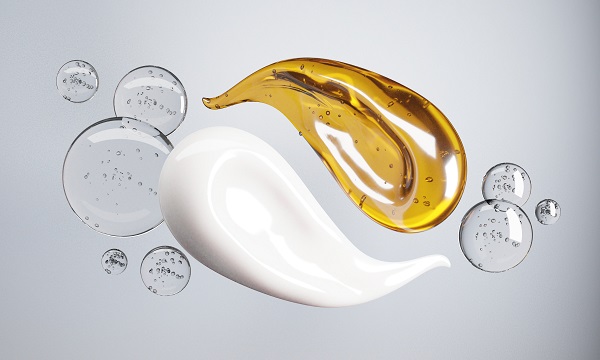
The Value of Emulsifiers in Everyday Products
Numerous everyday items depend on emulsifiers to achieve their wanted structure and security. These compounds play a vital duty in both food and cosmetic markets by enabling the blending of ingredients that commonly do not integrate read the article well, such as water and oil. In foodstuff like salad dressings, mayo, and sauces, emulsifiers guarantee a uniform and smooth uniformity, enhancing both taste and appearance. In a similar way, in cosmetics, emulsifiers add to the security of creams and creams, permitting for efficient application and absorption by the skin.
Without emulsifiers, many products would certainly divide or end up being uninviting, resulting in minimized consumer fulfillment. The versatility of emulsifiers likewise reaches their ability to enhance rack life, avoiding wasting and keeping quality. As an outcome, their relevance can not be overstated, as they are vital in developing products that meet the assumptions of customers pertaining to performance and experience.
Often Asked Concerns
Are Emulsifiers Safe for Intake and Skin Application?

Emulsifiers are usually taken into consideration safe for consumption and skin application, as regulatory bodies approve many of them. Individual sensitivities may differ, demanding care for those with details allergic reactions or skin problems.
Can Emulsifiers Reason Allergies in Some Individuals?
Yes, emulsifiers can cause allergic reactions in some people. Responses might vary from moderate skin inflammations to a lot more serious reactions, depending on individual level of sensitivities and the details emulsifier utilized in products they take in or apply.
Exactly How Do Emulsifiers Impact the Life Span of Products?
Emulsifiers improve product security by stopping splitting up and prolonging shelf life. They create a consistent blend, decreasing the possibility of perishing and keeping structure, flavor, and look gradually in different formulations.
Exist All-natural Alternatives to Synthetic Emulsifiers?
Yes, there are all-natural options to artificial emulsifiers, such as lecithin from soy or egg yolks, periodontal arabic, and different plant-based oils. These choices supply effective emulsification while interesting consumers seeking cleaner active ingredient choices.
What Regulations Control making use of Emulsifiers in Products?
Regulations controling emulsifiers consist of food security criteria set by organizations like the FDA and EFSA, which analyze labeling, safety and security, and use limitations. Aesthetic products adhere to similar guidelines under firms guaranteeing customer safety and item efficiency.
In food applications, emulsifiers improve appearance and rack life, allowing items like mayo and salad dressings to maintain a constant look. Emulsifiers play a necessary role in food products, offering numerous functions that improve appearance and stability. Emulsifiers play a considerable duty in enhancing the structure and security of numerous food items, concerns regarding their wellness effects have emerged. The consolidation of emulsifiers in aesthetic solutions not just enhances item efficiency yet also raises essential factors to consider pertaining to safety and security check that and regulatory compliance. In food products like salad dressings, mayonnaise, and sauces, emulsifiers ensure a smooth and consistent uniformity, enhancing both flavor and appearance.
Comments on “What are emulsifiers in recipes?”